




All Blogs / Charter Sports
What is the average snowfall at Copper Mountain in peak ski season?
What is the average snowfall at Copper Mountain in peak ski season?
**What is the Average Snowfall at Copper Mountain in Peak Ski Season?**
Nestled in the heart of Colorado’s Rocky Mountains, Copper Mountain is a premier destination for skiers and snowboarders seeking world-class terrain and breathtaking alpine views. One of the key factors that makes Copper Mountain such a sought-after winter destination is its reliable snowfall, which transforms the mountain into a winter wonderland each year. But just how much snow blankets Copper Mountain during the peak ski season? Understanding the average snowfall during this pivotal time not only helps visitors plan their trips but also sheds light on the conditions that make this resort a favorite among powder enthusiasts.
To answer this question, we’ll dive into several facets of snowfall at Copper Mountain. First, we’ll explore historical snowfall data to provide a baseline for what visitors can typically expect during peak ski season. Next, we’ll identify the months that comprise the peak season and examine their specific snowfall patterns. For added context, we’ll compare Copper Mountain’s snowfall to that of nearby ski resorts, highlighting how it stacks up as a destination for fresh powder. We’ll also discuss the various factors—both natural and human-influenced—that contribute to snowfall variability on the mountain. Finally, we’ll take a closer look at how snowfall is measured and the accuracy of these methods, ensuring a clear picture of what these numbers truly represent. By the end, you’ll have a comprehensive understanding of Copper Mountain’s snowfall during its most exciting months.

Historical snowfall data for Copper Mountain during peak ski season
Copper Mountain, located in Colorado’s Rocky Mountains, is renowned for its impressive snowfall during the peak ski season, which typically spans from December to March. Over the years, historical snowfall data has consistently shown that Copper Mountain receives an average of 23 feet (276 inches) of snow annually. During the peak months, the resort often sees the heaviest accumulations, with monthly averages ranging between 50 and 70 inches. These statistics highlight Copper Mountain’s reputation as a reliable destination for skiing and snowboarding enthusiasts.
The resort’s historical snowfall patterns reflect the influence of its high altitude, strategic location along the Continental Divide, and favorable weather systems. Being at an elevation of over 12,000 feet at its summit, Copper Mountain benefits from cold temperatures and orographic lift, where moist air rises and cools as it moves over the mountains, leading to frequent and significant snowfall. This natural advantage ensures that the snowpack remains deep and powdery throughout the season, attracting visitors from across the country and beyond.
Analyzing snowfall data over decades also reveals variability from year to year due to broader climatic factors, such as El Niño and La Niña weather patterns. El Niño years often bring drier conditions to the region, while La Niña years typically result in above-average snowfall. Despite these fluctuations, Copper Mountain has consistently maintained a strong reputation for reliable snow coverage, making it a favorite among winter sports enthusiasts seeking optimal conditions.
Peak ski season months and their typical snowfall patterns
Copper Mountain, like other ski resorts in Colorado, experiences its peak ski season during the winter months, typically from late November through early April. However, the months of December, January, February, and March are often considered the true heart of the peak season, as these months tend to receive the most consistent and significant snowfall. Each month during this period brings its own unique weather patterns and snowfall characteristics, contributing to the overall ski experience.
December often marks the beginning of reliable snowfall, with early-season storms laying the foundation for the resort’s skiable terrain. Snowfall in December can vary from light, fluffy powder to heavier, wetter snow during warmer spells. As temperatures drop further in January, the snowfall is typically drier and lighter, making for the coveted “Colorado champagne powder” that skiers and snowboarders love. January is also a month where high-pressure systems may temporarily reduce storm activity, leading to stretches of clear skies and well-groomed runs.
February and March are generally the snowiest months at Copper Mountain. These months benefit from frequent storms fueled by moisture-rich air masses from the Pacific, which collide with the Rocky Mountains to produce heavy snowfall. March often sees slightly warmer temperatures during the day, leading to a mix of powder days and spring-like conditions. The combination of deep snowpacks and longer daylight hours in March makes it a favorite among many winter sports enthusiasts.
Understanding these typical snowfall patterns can help skiers and snowboarders plan their trips to maximize the chance of experiencing ideal snow conditions at Copper Mountain. Whether you’re seeking early-season powder or mid-season depth, the peak ski season months offer something for everyone.
Comparison of Copper Mountain’s snowfall to nearby ski resorts
Copper Mountain, located in Colorado’s Rocky Mountains, is known for its impressive snowfall during the peak ski season. However, when compared to nearby ski resorts such as Breckenridge, Keystone, and Vail, its snowfall can vary both in quantity and quality. On average, Copper Mountain receives around 260-300 inches of snowfall annually, which puts it in a competitive range with its neighboring resorts.
Breckenridge, for instance, often boasts a slightly higher annual snowfall, averaging around 300 inches, and is renowned for its powdery snow and expansive skiable terrain. Keystone, located nearby, typically receives less snowfall, averaging closer to 230 inches annually, but benefits from extensive snowmaking capabilities to maintain consistent conditions. Vail, one of the largest ski resorts in Colorado, averages around 350 inches of snowfall annually, often drawing skiers and snowboarders seeking a higher likelihood of fresh powder days.
The differences in snowfall between these resorts can be attributed to factors like elevation, geographic positioning, and localized weather patterns. Copper Mountain sits at a base elevation of 9,712 feet with a summit elevation of 12,441 feet, which contributes to its ability to capture significant snowfall. However, the unique topography and microclimates of nearby resorts can lead to slightly higher or lower snowfall totals. Understanding how Copper Mountain compares to its neighbors helps skiers and snowboarders choose a destination that best fits their preferences for snow conditions, terrain, and overall experience.
Factors influencing snowfall variability at Copper Mountain
Copper Mountain’s snowfall variability is influenced by a combination of meteorological, geographical, and environmental factors. One significant factor is the mountain’s location within the Colorado Rockies. Copper Mountain benefits from its position along the western slope, which receives moisture from weather systems moving in from the Pacific Ocean. However, the amount of snowfall can vary depending on the strength and trajectory of these systems, as well as the presence of high-pressure systems that can block moisture from reaching the region.
Another critical factor is orographic lift, a phenomenon where moist air is forced to rise over the mountainous terrain, cooling and condensing to produce precipitation. The elevation of Copper Mountain plays a key role in determining how much precipitation falls as snow instead of rain. Yet, variations in storm intensity, wind direction, and air temperature can all impact the efficiency of this process, leading to fluctuations in snowfall from year to year or even week to week.
Additionally, broader climate patterns such as El Niño and La Niña events can significantly influence snowfall variability. In an El Niño year, warmer ocean temperatures in the Pacific can shift storm tracks, sometimes resulting in less snowfall for Colorado resorts. Conversely, La Niña years often bring colder and wetter conditions to the region, potentially increasing snowfall. Localized weather patterns, such as sudden temperature swings or dry spells, also contribute to the variability, making each ski season unique.
Human-induced climate change is another factor that could impact snowfall variability over time. Rising global temperatures may alter precipitation patterns, shorten the duration of the ski season, or reduce the amount of snow that falls in a given year. Understanding these factors is essential for both skiers and the resort itself as they plan for the unpredictability of each season.
Snowfall measurement methods and accuracy at Copper Mountain
Accurate snowfall measurement is a critical part of understanding and reporting snow conditions at Copper Mountain. The process typically involves a combination of manual measurements and automated systems to ensure consistency and reliability. Snowfall is often measured using snow stakes, which are placed in open, undisturbed areas to capture fresh snowfall. These stakes are marked with increments, allowing ski resort staff to manually record new snow accumulation over a set period, often 24 hours. Additionally, snowboards—flat platforms placed on the ground—are sometimes used to collect new snow, which is then measured and cleared at regular intervals.
Automated systems, such as ultrasonic snow depth sensors, are also employed to provide continuous data. These sensors use sound waves to measure the depth of snow on the ground, offering real-time updates that are particularly valuable for ski resorts and snow enthusiasts. However, automated systems can sometimes be less precise due to factors like wind, ice buildup, or temperature fluctuations, which may affect the readings.
To ensure accuracy, Copper Mountain combines data from multiple sources and cross-references it with weather reports and historical patterns. Regular calibration of equipment and adherence to standardized measurement protocols also play a key role in maintaining reliable data. This attention to detail not only helps the resort provide accurate snowfall reports to skiers and snowboarders but also contributes to long-term climate and environmental studies in the region.
Related Posts
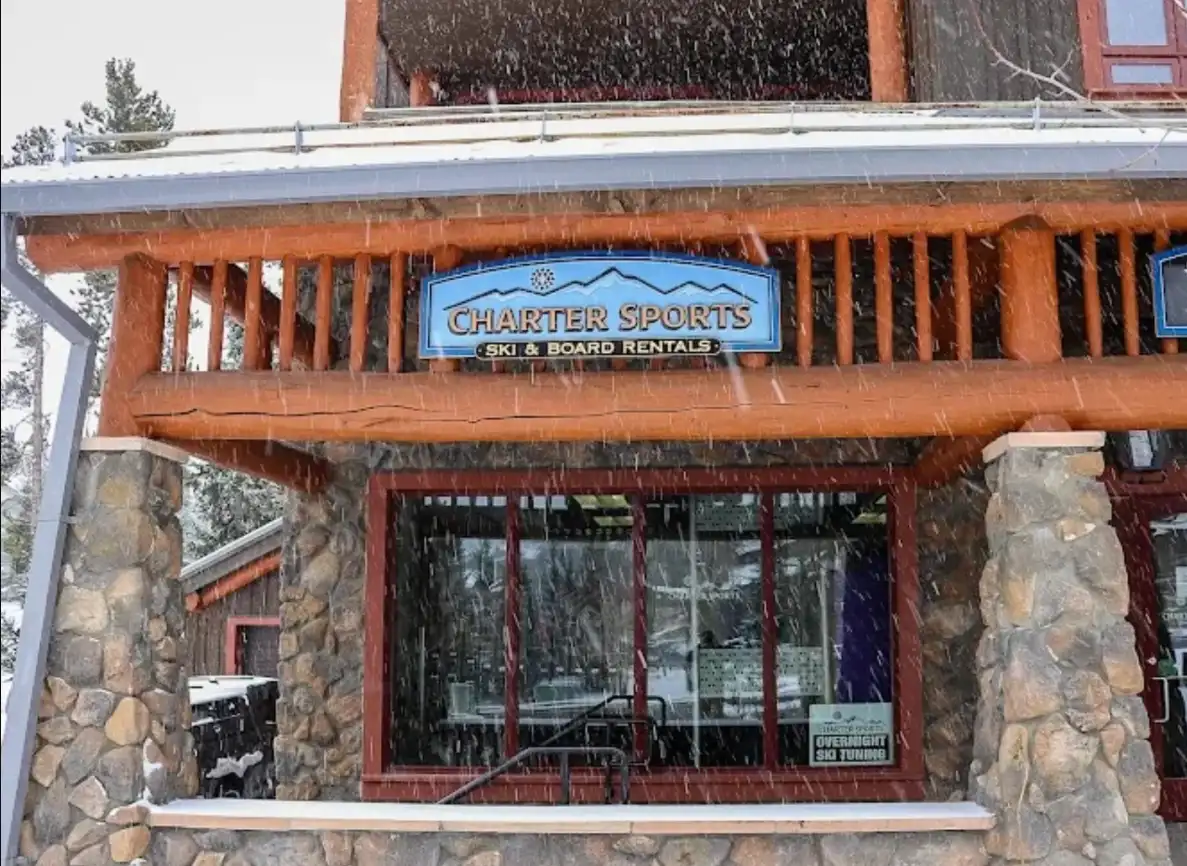
Why Skiers Love Charter Sports: Slopeside Ski Rentals, Local Convenience, Zero Hassle
Ask any Colorado local where they rent when they want a stress-free ski day, and you’ll hear the same answer [...]
What ski trails are best for beginners at Beaver Creek?
### The Best Ski Trails for Beginners at Beaver Creek Beaver Creek Resort is known for its luxurious amenities, stunning [...]
Are there ski rentals available at Beaver Creek Resort?
**Are There Ski Rentals Available at Beaver Creek Resort?** Planning a ski trip to Beaver Creek Resort and wondering if [...]
